What you'll find on this hub
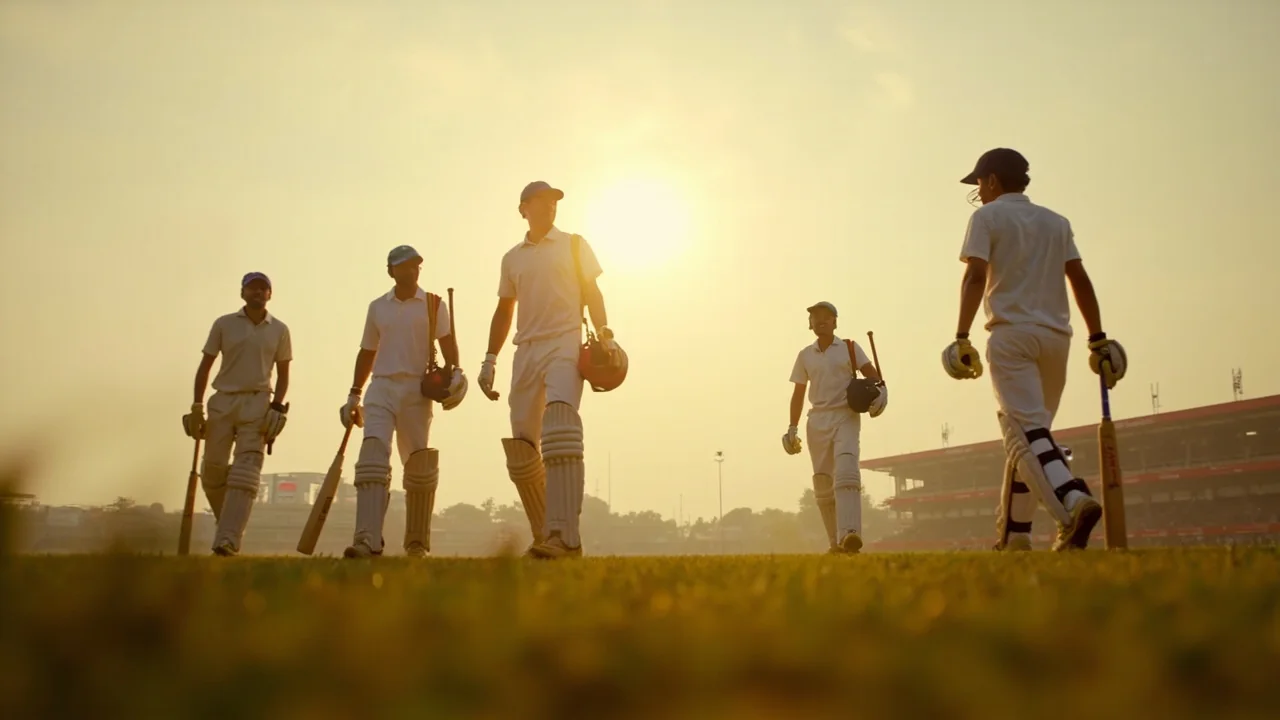
Five formats, one selection checklist.
The free-to-play and practice formats are the right starting point for a first session. The mega-contest and season-long formats are best reserved for players who have already run a full match in their heads without a guide.
Most formats share the eleven-player squad, the captain's two-times multiplier and the salary cap. The differences are smaller than the splash pages usually suggest.
LetsGame keeps a current strengths-and-limitations table on this page with the last-checked date beside each row.
Why the captain choice is a separate decision.
Treat the captain as a decision you make after the lineup is locked. Most readers pick the captain too early, then change the lineup to fit the captain instead of the other way around.
The worked example in chapter one of the homepage walks through the first three overs of a contest and shows what the captain's multiplier actually does in scoring.
If you have not played a contest before, the team-selection steps article on the how-to-play page holds the version of the rule that is easiest to read on a phone.
How to spend the purse without overshooting.
Each player has a notional value that adds up to a salary cap. The common mistake is to spend the full purse on the top six and end up with a thin bowling attack.
A balanced squad is usually three or four all-rounders, one wicketkeeper, a top-order batter or two, and a rotation of bowlers that matches the conditions of the match.
The selection-notes guide on this hub has a printable purse worksheet for the second session. The first session is easier to track in a notebook.
Related pages
- How to play — The full walkthrough from a clean slate to a finished first team.
- Predictions — Match previews and risk notes for the next fixture.
- Teams & players — Scouting notes and training-load references.
- Latest on LetsGame — A retrospective on Harry Brook's single Sunrisers Hyderabad season and the social-media scrutiny he described to BBC Sport on 17 August 2026.
