What you'll find on this hub
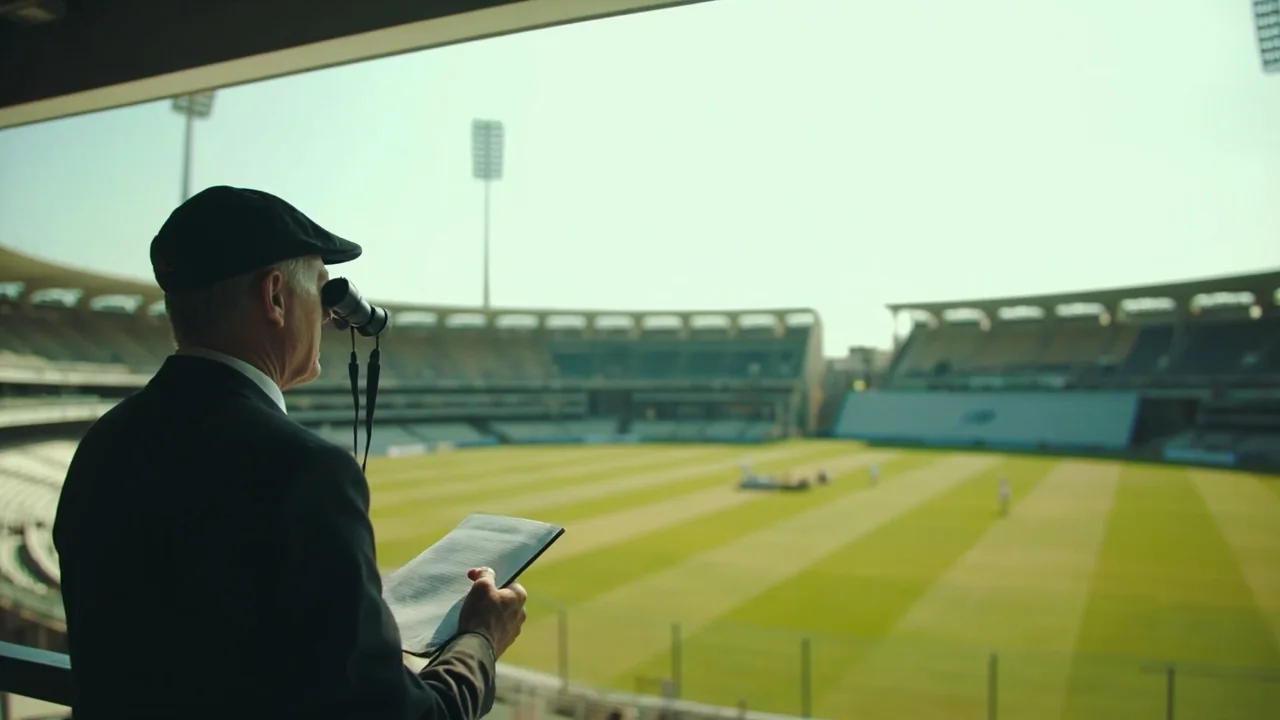
Matchups are a study, not a verdict.
A batter who has been dismissed the same way three times in a row is a stronger matchup read than a dozen season averages. The batter-matchup study on this page lists what to look for.
LetsGame tracks dismissals by type, not by totals. The notes page holds a printable template for the second session.
If the matchup is genuinely close, the preview says so. LetsGame does not invent a winner to fill a column.
Read the rhythm, not just the wickets.
Bowler form is mostly rhythm. A bowler who has been hit for two sixes in the last over but dismissed the next batter is a different read than the figures suggest.
The bowler-form rhythm page on this hub walks through the recent figures and what to read from them. LetsGame updates the page after every match.
The risk notes section on the right rail of each preview is the section to read twice. It lists the conditions under which the read does not hold.
What could go wrong, in plain language.
Every preview on this hub ends with a risk-notes section. The section lists the conditions that would invalidate the read, in plain language and with nothing invented.
Risk notes are not a hedge. They are the part of the preview LetsGame editors write last, on purpose, so the most cautious sentence is the freshest one.
If a preview does not have a clear risk note, treat the read as incomplete. LetsGame flags missing risk notes on the news page rather than publishing them anyway.
Related pages
- Matches — Toss, pitch and weather checks.
- Fantasy cricket — Format explainers and captain strategy.
- Tools — Budget planner and captain comparison board.
